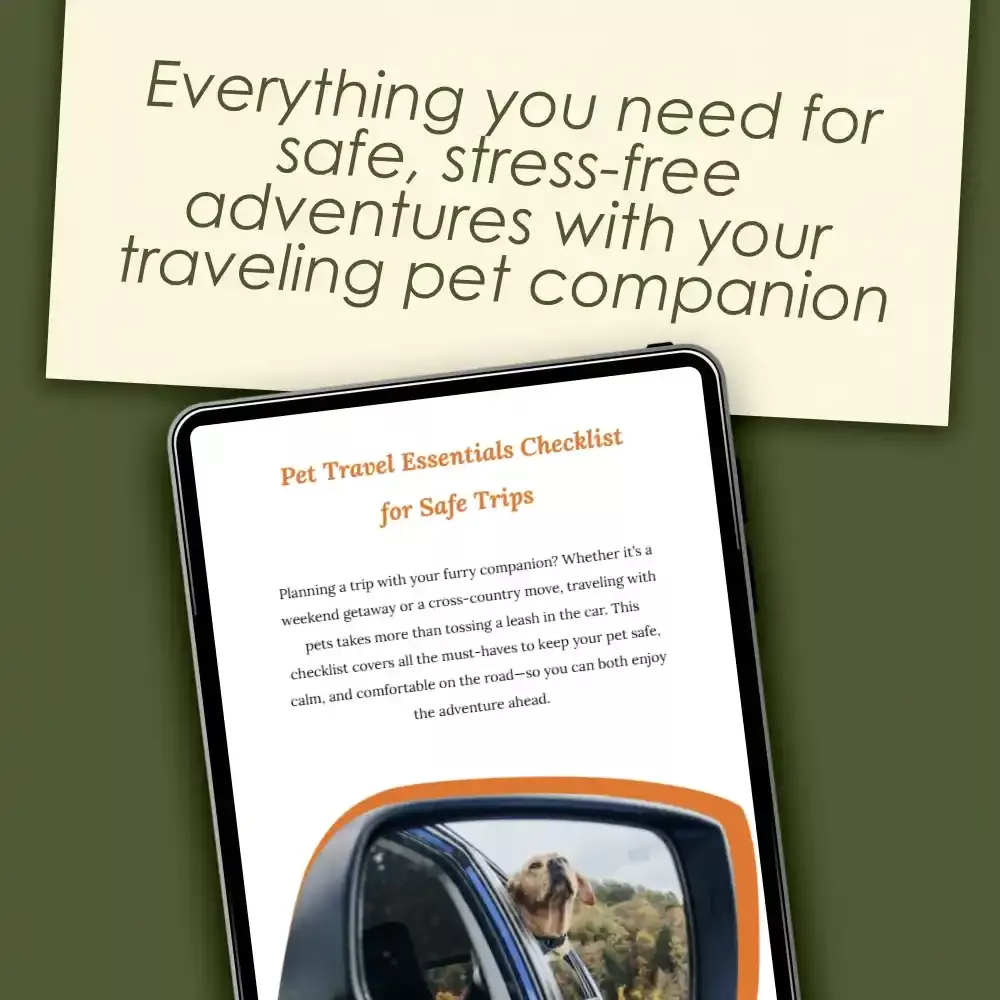
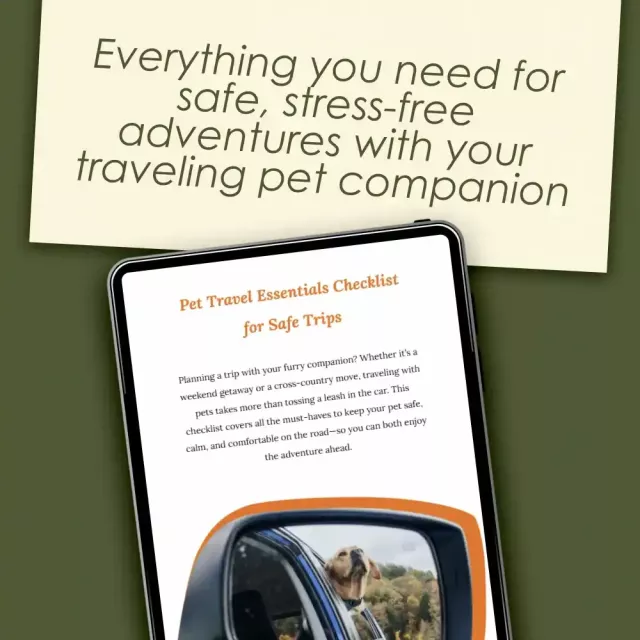
Planning to hit the road with your furry companion? Whether it’s a quick weekend getaway or a big cross-country adventure, preparation is key. The Pet Travel Essentials Checklist for Safe Trips is your go-to printable guide to ensure nothing important gets left behind. From ID tags to treats, this comprehensive packing list helps you organize everything your pet needs for a safe, calm, and comfortable journey—so you can focus on making memories, not scrambling for forgotten supplies.
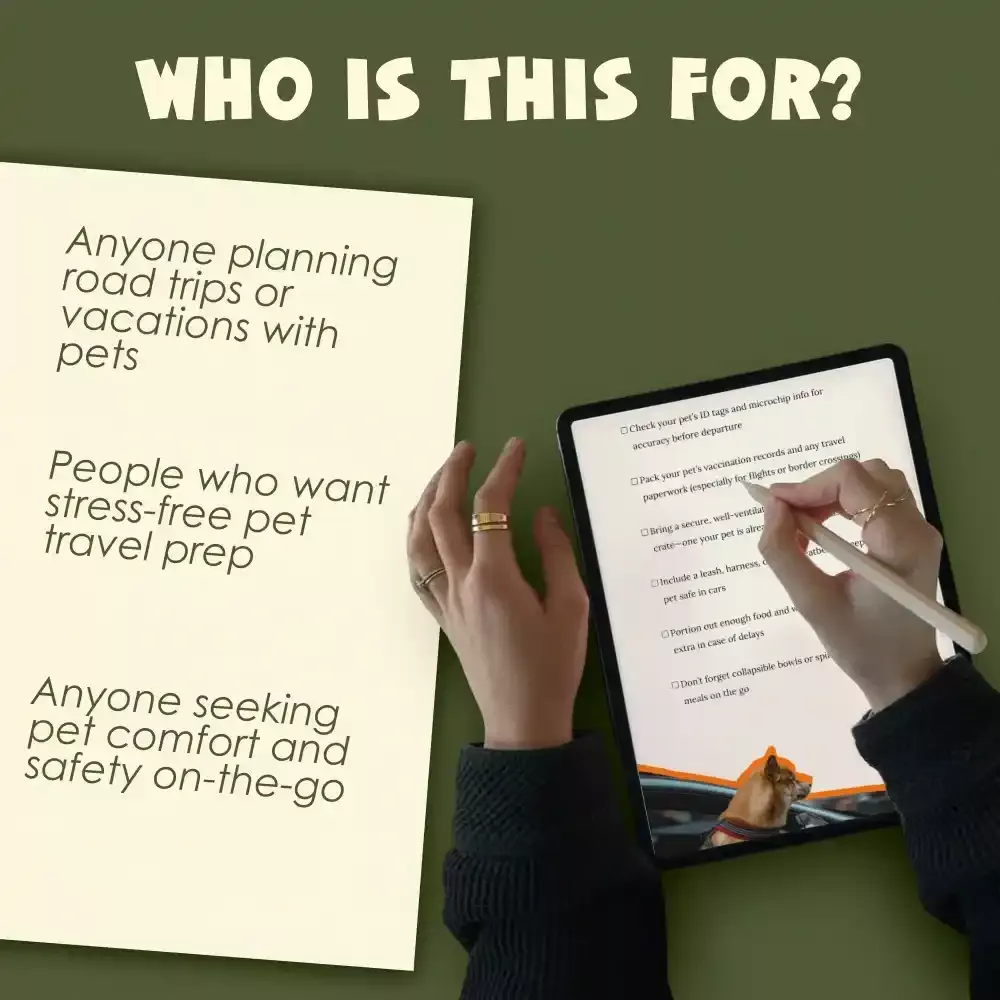
The Pet Travel Essentials Checklist for Safe Trips is designed for pet parents planning vacations, first-time pet travelers, and anyone who wants smooth, safe trips with their dog or cat.
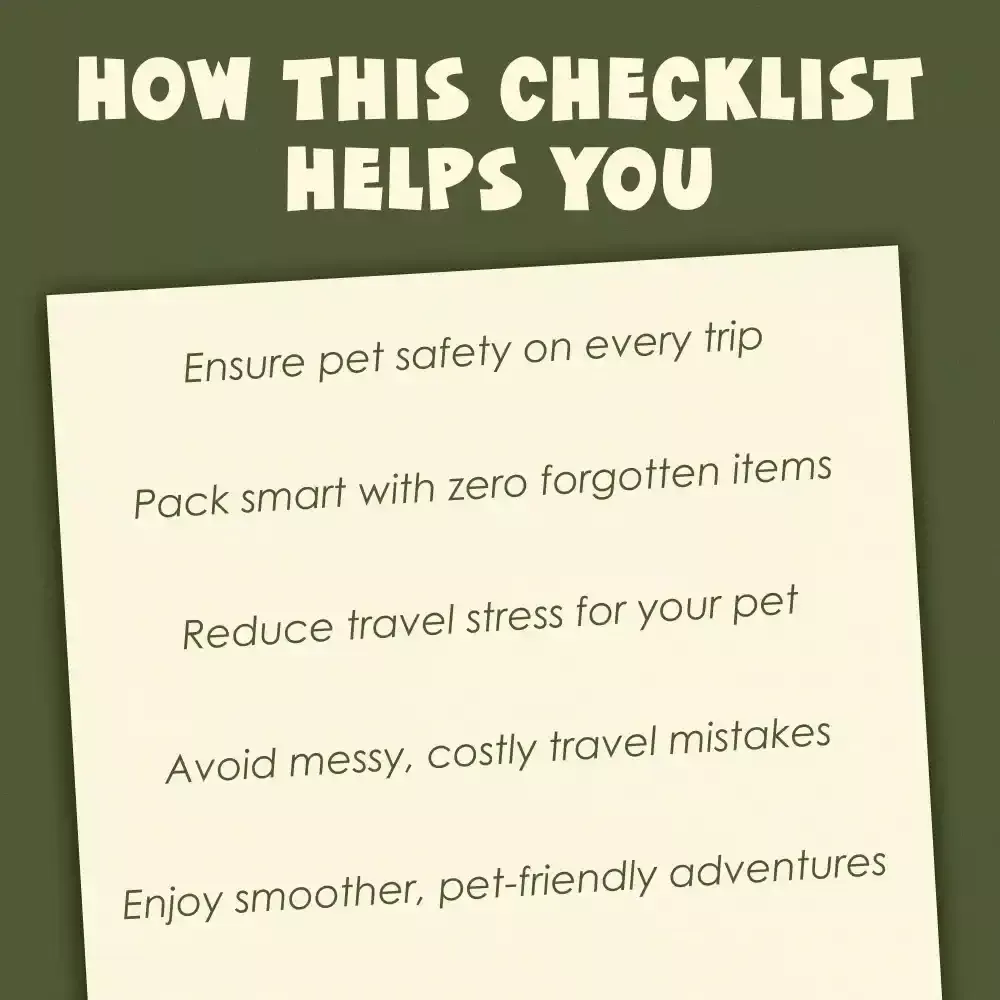
Unlike generic packing lists, this checklist is tailored specifically for pets—offering practical, vet-recommended essentials plus travel tips that even experienced owners might overlook. The Pet Travel Essentials Checklist for Safe Trips brings peace of mind and a smoother travel experience from start to finish.
Don’t leave your next trip to chance. Download the Pet Travel Essentials Checklist for Safe Trips today and make sure every journey with your pet is safe, smooth, and joyfully stress-free.
All orders can be cancelled until they are shipped. If your order has been paid and you need to make a change or cancel an order, you must contact us within 12 hours. Once the packaging and shipping process has started, it can no longer be cancelled.
Your satisfaction is our #1 priority. Therefore, you can request a refund or reshipment for ordered products if:
We do not issue the refund if:
*You can submit refund requests within 15 days after the guaranteed period for delivery (45 days) has expired. You can do it by sending a message on Contact Us page
If you are approved for a refund, then your refund will be processed, and a credit will automatically be applied to your credit card or original method of payment, within 14 days.
If for any reason you would like to exchange your product, perhaps for a different size in clothing. You must contact us first and we will guide you through the steps.
Please do not send your purchase back to us unless we authorise you to do so.
Your purchase will be available to download once payment is confirmed.
Instant download items don’t accept returns, exchanges or cancellations. Please contact us if you have any problems










I used to feel so overwhelmed when it came time to pack for my pup—no matter how careful I was, I always managed to leave something behind. This checklist turned that dreaded routine into something surprisingly simple and organized, and I can’t believe how much calmer I feel because of it. I especially appreciate that it covers the little details I’d often overlook, like waste bags, an extra towel for muddy paws, and even space for favorite toys that make the trip feel more like home for my dog. On our last road trip, everything flowed so much smoother, and it was obvious how much more comfortable and settled my dog was with all the essentials right on hand. I also love that it’s easy to reuse and tweak depending on the type of trip we’re taking, so it feels flexible instead of rigid. The layout makes it fun to check things off, which keeps the stress level low and the excitement high. Honestly, it has quickly become one of those “can’t travel without it” items for us, and I know I’ll rely on it for every future getaway. 🐶
Taking a cross-country road trip with your dog is an exciting experience, but it also comes with a fair amount of preparation. I recently used this detailed checklist during our travels, and it really helped keep things organized and manageable from start to finish. What stood out right away was that this guide went far beyond a simple packing list. In addition to listing what to bring, it also highlighted pet-friendly stops along our route. That was something I wouldn’t have thought to research in advance, and it made a real difference. Being able to plan in some breaks where our dog could safely stretch, explore, and relax turned out to be one of the highlights of the trip—not just for him, but for us too. The checklist clearly places a strong emphasis on pets’ comfort and safety. It’s not a one-size-fits-all list that you might find with a quick online search. Instead, it feels like the creators really considered what pet owners would need on the road. From reminders about travel-safe gear to notes on keeping your pet calm and hydrated during long drives, it covered a lot of ground. One of the most helpful aspects was the inclusion of vet-recommended essentials. Even though I’ve done a fair bit of traveling with pets before, there were items on the list I hadn’t thought of—things that could easily be overlooked in the rush of getting ready. Having them spelled out clearly gave me peace of mind and helped avoid those last-minute scrambles or forgotten items. The checklist also helped us think through what our dog might need at different stages of the journey—not just while driving, but once we reached our destination too. That included everything from feeding schedules to backup ID tags. It helped us feel confident that we were fully prepared, which made the trip much more enjoyable overall. In the end, this guide proved to be a genuinely valuable resource. It’s practical, easy to use, and clearly written with both pets and their humans in mind. If you're planning a trip with your dog or cat, I’d definitely recommend keeping this checklist handy—it’ll save you time, reduce stress, and help make sure everyone, paws and all, has a great experience on the road
Highly practical tool that truly supports stress-free pet-friendly adventures.
When I first saw this checklist, I thought it might just be a simple packing list. But after using it, I realized how carefully thought out it really is. It doesn’t just cover the obvious, it includes so many small but important details. For example, it reminded me to bring my pet’s vet contact info and medical history, which gave me peace of mind in case of emergencies. It also listed comfort items, which I might have skipped, but they ended up making a huge difference. On our trip, my dog stayed calmer because he had his favorite toys and blanket with him. I felt calmer too knowing I had everything under control. Packing with this checklist was so much easier, and traveling was less stressful because I didn’t have to worry about forgetting something important. I’m grateful for how much simpler it made the entire experience.
Essential
Used this on our cross-country adventure and it was a lifesaver! The tips for motion sickness prevention worked wonders for my cat.
Traveling with pets can feel overwhelming, but this made things so simple. I didn’t forget anything on our recent weekend getaway, and it made me feel more confident. From medications to favorite snacks, everything was accounted for. Honestly, I could relax knowing I had packed properly, and that made the trip so much more enjoyable.
Used this checklist for a cross-country adventure with my dog. The meal prep section was really helpful in organizing food, water, and collapsible bowls. We had no feeding issues on the go!
Made our road trip with pets smooth stress-free and enjoyable.
🦴
The vet-recommended essentials in the list were very practical. Especially loved the pre-travel reminders to check ID tags, microchip info, etc., which added an extra layer of safety for our fur baby.
i never realized how stressful it was for my pets when i forgot small things during travel. before i had this checklist i’d always end up leaving behind something like an extra leash or enough treats. it seems small, but it added stress for both me and my pets. now with this guide, i don’t miss a thing. it made me realize how much smoother trips can be when everything is accounted for. i especially appreciated the reminder to bring medical records and emergency contacts. those are things i don’t always think about, but they matter so much. when i used it for a recent road trip, the whole process felt lighter. packing was faster, the trip was calmer, and i was able to focus on enjoying the journey with my pets instead of worrying. it’s such a helpful tool i’ll keep using.
Helpful
finally no forgetting bowls or leashes everything was remembered perfectly.
Made traveling with my dog less stressful than ever before - even included emergency vet info, just in case
This has truly reduced my stress when preparing for vacations with my cat. It’s easy to use, very clear, and covers items I wouldn’t have thought of myself. Knowing I had the essentials ready made the drive smoother. My cat stayed calm and content throughout the trip, which made me feel so much better.
I never realized how much easier traveling with my cat could be until I started using this list, and it completely changed the way I prepare for trips. What used to feel overwhelming and stressful now feels organized and manageable, and I no longer worry about forgetting something important. The pre-travel reminders were a lifesaver—they nudged me to check things I might not have thought about, like making sure her ID tags and microchip details were current, which gave me so much peace of mind. I also found the safety must-haves section incredibly reassuring, especially when planning for longer drives where comfort and security really matter. Little touches, like remembering to pack her favorite blanket and a backup carrier liner, made her more at ease along the way. Instead of dreading the process, I actually felt prepared and confident, which made the whole experience smoother for both of us. This has quickly become one of those essentials I know I’ll rely on for every trip.
Loved how comprehensive yet easy to use this checklist is; kept both me and my fur baby calm throughout the trip 😊
I recently came across this printable travel checklist while getting ready for a last-minute weekend trip with my cat, and I’ve got to say—it turned out to be incredibly useful. Planning any kind of travel with a pet can be a bit stressful, especially when it’s spontaneous. There’s always that lingering feeling that you might be forgetting something important. This checklist helped ease that anxiety quite a bit. What I appreciated most is how thorough it is. It covers everything from basics like food, litter, and ID tags to the smaller details you might overlook—like your pet’s favorite toy or a blanket that smells like home. It made the whole process of packing smoother and more organized, and I left for the trip feeling confident that I had everything my cat would need. The design of the checklist is clearly well thought out. It isn’t just a random list of items—it feels like it was created by someone who actually understands what it’s like to travel with pets. It works well for both dog and cat owners, which makes it especially practical if you have more than one type of pet or if you’re sharing it with friends or family. Another thing I noticed is how user-friendly it is. The layout is clean and easy to follow, which really helps when you're rushing around trying to get things ready. It's the kind of tool that removes the guesswork and gives you peace of mind, even if you're juggling other things while preparing for your trip. Overall, I’d recommend this checklist to anyone who travels with pets, whether it’s frequently or just once in a while. It doesn’t overcomplicate things but still manages to be comprehensive. I didn’t expect something so simple to make such a difference, but it really did. Having it on hand has made me feel a lot more prepared and a lot less likely to forget something important in the future
The printable format of this pet travel guide is perfect for last-minute packing. Just print it out, check off each item as you pack them, super easy peasy 🐾
Such a thoughtful resource keeps travels with pets calm and organized.
I’m someone who easily forgets things, so having a practical list has been a lifesaver. Before, I’d realize halfway down the road that I forgot bowls or food. Now, I feel prepared and calm before leaving. It’s such a small change that has had a big impact on traveling with my pets.
Practical
No matter if you're planning vacations or just an overnight stay at grandma's house—this checklist ensures smooth sailing (or driving!) every time 👍🏼
Traveling with pets used to feel like chaos. No matter how many times I checked my bag, I still felt nervous that I’d forgotten something. That nervous energy made trips stressful instead of fun. This checklist completely turned that around. It’s incredibly practical and surprisingly detailed. It reminded me about things like food storage containers, extra waste bags, and even comfort toys to help my dog feel safe. The last time I traveled, I went through the list step by step and packed with confidence. The difference on the trip was amazing. My dog settled down quickly, and I felt relaxed knowing I had everything covered. I didn’t have to run into stores or make do without something important. It felt like the first time I could truly enjoy the journey instead of worrying. This checklist is now my go-to for any pet trip.
So glad I found this checklist! It made packing for my cat's first road trip a breeze. The pre-travel reminders were especially helpful - no forgotten ID tags or paperwork!
Packing felt easy instead of chaotic thanks to this helpful guide.
our trip was the smoothest it’s ever been thanks to this planner. i didn’t forget any essentials, and i loved how organized i felt. it even reminded me to bring vet records, which i usually overlook. my pets were happy, and i finally enjoyed the vacation without worrying about missing items.
❤️
I’ll admit, I didn’t think I needed a guide for traveling with my pets. I figured I could just write my own list and be fine. But after forgetting my dog’s medications on one trip and a favorite toy on another, I decided to give this a try. I’m so glad I did. The checklist is incredibly detailed without feeling overwhelming. It covers everything from essentials like food, bowls, and leashes to the small comforts that make a trip smoother, like blankets, toys, and waste bags. I used it for our most recent road trip, and for the first time, I didn’t forget a single thing. That peace of mind was priceless. My dog settled in quickly, and I felt so much more confident knowing I had prepared properly. The whole vacation felt lighter, easier, and less stressful. It’s amazing how something so simple can make such a big difference. I’ll be printing this out for every trip we take moving forward.
Love this checklist! Made packing for our first road trip with Fido a breeze. The pre-travel reminders were especially helpful.
I never travel without it anymore pure peace of mind.
I bought this for a long drive with my pets, and it was so worth it. Usually, packing feels chaotic, but having everything listed out gave me structure. I stayed calm, double-checked everything, and had the best road trip we’ve had in years. It made me more confident and prepared, which my pets clearly sensed.
If you want smooth, safe trips with your furry friend then downloading this checklist is a must. It guarantees peace of mind right from start to finish of every journey 🐾
i was always the person who thought i could just wing it when it came to traveling with pets. but that attitude meant i often forgot things like medicine, toys, or paperwork. once i started using this checklist, i realized how much smoother things could be. it’s so thorough yet simple to follow. i don’t have to overthink anymore or scribble down messy notes. everything i need is laid out clearly. on my last vacation, the packing process felt calm and organized. my pets were happier too because i remembered to bring all the items that made them comfortable. no stress, no guilt, just peace of mind. this resource really helped me enjoy travel again, instead of dreading the preparation. i’m thankful for how much it simplified things.
Reliable
Tried out the Pet Travel Checklist on our recent road trip. It made things so much easier! All those safety essentials like carriers and harnesses were right there in black and white—no chance of forgetting anything important.
This isn't your generic packing list—it’s tailored specifically for pets which makes it unique. It even includes vet-recommended items that I would have overlooked otherwise.
As someone who’s new to dog ownership and recently needed to prepare for an overnight stay at a friend’s place, I found this travel checklist incredibly helpful. It gave me a solid starting point and helped take a lot of the uncertainty out of traveling with my dog for the first time. Having a clear, thorough list made me feel much more confident that I wasn’t forgetting anything important. The checklist covers all the basics you’d expect—things like a travel carrier, harness, leash, and food—but what really stood out was the attention to detail. It reminded me to pack things I might not have thought of on my own, like backup waste bags, a water bowl, and even vaccination records. Little details like that really make a difference, especially when you're staying somewhere unfamiliar. I also appreciated that it went beyond just listing items. It included practical advice, like tips for keeping your pet calm during the trip and suggestions for making them more comfortable in a new environment. One section about preventing motion sickness really stood out to me—it's something I hadn’t even considered, but now I know what signs to watch for and how to plan ahead if it becomes an issue. Another bonus was that it helped me build better habits for future trips. I now have a dedicated travel bag for my dog, and this checklist serves as a go-to reference whenever we’re getting ready to head out. It’s not just for long road trips—it’s just as useful for short stays or day outings when you still want to be fully prepared. Overall, this guide has been a great resource. It’s clear, easy to follow, and genuinely useful for anyone traveling with a pet—especially if you’re still getting the hang of things like I am. If you’re planning a trip with your dog, I’d definitely recommend giving it a look. It’ll help you feel more organized, and more importantly, your dog will be comfortable and well-cared for wherever you go
Love how detailed this pet travel guide is—from food prep to hygiene essentials, it covers all bases! My kitty appreciated not having her routine disrupted too much during our holiday thanks to these pointers 😻
pets were happy comfortable and i felt fully prepared always.
This list is so comprehensive. From safety must-haves like carriers and seatbelts to hygiene essentials like potty bags, it has everything covered.
I’ve always loved traveling, but bringing my pets along has been a source of constant anxiety. No matter how much I tried to plan ahead, I would forget something. Sometimes it was small, like a toy, but other times it was more serious, like medications. Forgetting those things made me feel like I wasn’t doing right by my pets. That all changed once I started using this checklist. It’s thoughtfully laid out, simple to follow, and incredibly thorough. It doesn’t just cover the obvious items like food and water—it goes deeper, reminding you of things like cleaning wipes, vet records, and comfort items. Those details make a world of difference when you’re traveling with animals. On our last road trip, everything went smoothly. My pets were comfortable, calm, and happy because I had all their needs covered. I felt confident and relaxed the entire time, and it made the trip so much more enjoyable. Instead of stressing, I was able to focus on making memories. Having this checklist has completely shifted how I approach pet travel, and now I feel like I can take more trips without the constant worry. It’s truly become an essential part of my preparation.
I appreciate the health and comfort items included in the list. Medications, first-aid items, favorite toys—all things that keep my cat calm during travel.
It's printable! Perfect for those last-minute packing frenzies 😅
Useful
The pro travel tips were insightful - especially about motion sickness prevention - something I hadn't thought of before 🤔
This checklist is exactly what I didn’t know I needed. For years, traveling with pets felt like balancing on a tightrope—I wanted to include them but was always worried about forgetting something crucial. That constant doubt drained the fun from the experience. Once I started using this guide, the stress disappeared. It covers essentials like food, bowls, and leashes, but also thoughtful extras like toys, cleaning wipes, and comfort blankets. On my last road trip, I didn’t forget a single thing, and it made all the difference. My pets were comfortable, and I felt calm and prepared. Instead of scrambling at the last minute, I actually enjoyed the process of packing. The trip itself was smooth, and I had peace of mind knowing we were ready for anything. This checklist turned travel into something enjoyable again, not stressful. I’ll never travel without it again.
🐾
The safety must-haves section was super helpful for our road trip. We made sure to pack all the essentials like seatbelts and carriers - felt much safer!
This checklist completely changed the way I prepare for trips with my cat. It felt so good to know I was bringing everything we needed, especially those little comfort items that make travel less stressful. I stayed organized, felt calmer, and my cat adjusted quickly. It’s an amazing tool that I’ll use again.
Every detail is covered nothing left to chance or stress.
I’ve always loved taking my pets on adventures, but packing for them is another story. I constantly worry I’ll forget something essential, and that ruins the excitement. This resource helped me feel calm and completely ready. It’s easy to follow and covers everything, from paperwork to food. My pets seemed more comfortable on this trip than ever before. I finally got to enjoy the drive without the nagging feeling I’d missed something. Having this checklist gave me confidence, and I’ll definitely be bringing it out for every trip in the future. It’s already made such a difference.
We found the pro travel tips particularly useful; motion sickness prevention helped my cat immensely during her first flight.
Brilliant
This printable travel planner is perfect for forgetful pet parents like me! It reduced stress by ensuring I didn't leave any essentials behind. My cat's journey was much smoother and calmer thanks to this!
Traveling with pets always felt overwhelming to me. I’d try to make lists on my own, but somehow I always left out an item or two. This checklist solved that problem completely. It’s organized, detailed, and incredibly easy to follow. What I love is that it goes beyond the basics. Of course, it reminds you to pack food, water, and leashes, but it also includes thoughtful extras that make travel truly comfortable for pets. Things like familiar toys, blankets, and even grooming tools help keep routines intact and reduce anxiety on the road. On my last vacation, I felt so prepared. There were no frantic store runs, no stress, just smooth sailing. My dog settled into the car more quickly because I remembered to bring everything he loves. Having this checklist took away all the uncertainty I used to feel. It’s now a permanent part of my travel plans.
Great for both short drives and long vacations with animals.
I love that it includes hygiene essentials too - litter, potty bags, grooming wipes... everything you'd need for clean trips with your pets!
I’ve always worried about missing small but important details when traveling with pets. Having this guide gave me peace of mind because it covered everything. I love how it includes practical and comfort-based items too. My trip was so much smoother, and I was actually able to enjoy it fully.
I’m so glad I found this. It simplified everything for me and took away so much anxiety. Packing for trips with pets always left me second-guessing whether I remembered everything. This checklist is practical, easy to follow, and surprisingly comprehensive. It even reminded me of little things like extra waste bags and a spare leash. Those small details made my road trip much smoother. My dog was comfortable, and I didn’t have to run to a store mid-trip. It gave me peace of mind and let me focus on enjoying the time together. Such a relief to have.
Difference-maker? Its specificity about pet needs! Not just a generic packing list but tailored specifically for pets - practical and vet-recommended stuff only
Vacations with pets used to stress me out. I love bringing my pets along, but I hated the preparation part because I always felt like I’d forget something. This resource has been a lifesaver. It’s straightforward, practical, and incredibly thorough. It reminded me to bring the small but important things like medications, vet papers, and even cleaning wipes. I felt so much more at ease knowing I had everything covered. My pets were more comfortable because they had everything they needed, and I was able to actually enjoy the vacation without constant worry. It’s amazing how much more relaxing travel feels when you’re truly prepared. This checklist gave me peace of mind and has already become a staple for any trip we plan. I can’t imagine packing for a road trip without it now. It’s exactly what I needed.
Loved the pre-travel reminders on this list. Checked all ID tags and vet paperwork before leaving. Felt so prepared.
Simple design, clear checklist, made my life so much easier.
The pro travel tips were amazing! Used the motion sickness prevention advice for our cross-country drive and it worked wonders.
i used this checklist for the first time when i planned a week-long road trip with my cat. normally i get anxious before traveling because i’m always second guessing myself did i pack enough food did i remember her carrier did i bring her favorite blanket. this time was totally different. the checklist made packing straightforward. i went through it step by step and felt confident nothing was forgotten. the guide included little things i never would’ve remembered on my own like wipes, extra bowls, and travel-friendly toys to keep her entertained. during the trip she was calm and comfortable, which made me feel at ease too. i didn’t have to scramble to find anything because everything was already prepared. the whole journey felt smoother and less stressful. honestly i don’t think i’ll ever travel with my pet again without using this.
Handy
traveling with pets feels exciting now, not overwhelming or stressful.
Used this printable guide on our recent vacation - what a difference it made! My dog was calmer, happier and we didn't forget anything important thanks to the detailed sections in the checklist.
Love this checklist! It's so handy for last-minute packing. No more forgetting the essentials, like my dog's favorite toy or her ID tags. Stress-free travel starts here indeed!
Before this, I always underestimated how stressful traveling with pets could be. I assumed as long as I had food and water, I’d be fine. But I’ve learned that comfort items and little details make a huge difference. This checklist opened my eyes to what I was missing. On our last trip, I brought my dog’s blanket, favorite chew toy, and extra towels because the list reminded me. Those little touches helped my dog settle in much faster, and it gave me peace of mind to know I was truly prepared. It even prompted me to bring medical documents, which came in handy when we needed to stop at a vet for a quick check. Honestly, this has taken away so much of the stress I used to feel before every trip. Now I’m confident, calm, and ready to actually enjoy traveling with my pet.
I'm a first-time cat parent and was nervous about traveling with my kitty. This list was perfect, even had reminders for litter and grooming wipes which I would have totally forgotten!
The printable format of this checklist is super convenient. I keep one in our RV now so we're always ready for spontaneous trips with our pup 🐶
Before I started using this checklist, traveling with my dog was a constant source of stress. No matter how carefully I packed, I always seemed to leave something behind. Sometimes it was his favorite toy, other times it was something important like his vaccination records. Forgetting those little but crucial items made our trips frustrating instead of fun. Once I found this resource, everything changed. The checklist covers everything I need to remember, even things I wouldn’t normally think about. It reminded me to pack an extra leash, his grooming brush, and even waste bags. Having it all written down made preparation so much easier. On our last trip, I felt calm, organized, and actually excited instead of nervous. My dog was happier too because he had all the comforts of home right with him. This list saved me so much time and stress.
This isn't just some generic packing list—it's got specific advice tailored for pets which really sets it apart. Vet-recommended items AND pro travel tips? Yes please!
The simplicity is what I love the most. It doesn’t overwhelm you with unnecessary stuff, but it gently reminds you of all the important things to bring. I felt calm, organized, and more excited about our trip. My pets had a wonderful time, and I know part of that was because I was prepared.
Tried this out before heading out on vacation—best decision ever! My dog seemed calmer throughout the journey thanks to all the calming items we brought along from the checklist 👍👍
Saved me from forgetting medications and small but crucial items.
Smart
Taking our new puppy on her very first road trip felt both exciting and a little nerve-wracking, but having this list in hand made the whole experience so much easier to manage. Instead of scrambling at the last minute and second-guessing what we might forget, everything was clearly laid out, which took away so much of the stress. The safety must-haves section stood out right away—it gave me peace of mind knowing I wasn’t overlooking important details, and I especially loved the reminders about planning pet-friendly stops along the way. It’s amazing how something so simple can transform the feel of a trip, and it really allowed us to relax and focus on enjoying the adventure. Even small things, like remembering an extra blanket or collapsible bowls, made a noticeable difference in how comfortable our puppy was. I also found myself checking items off with a sense of relief, knowing we were well-prepared. This list has already become a go-to tool, and I know I’ll keep using it for every journey with our pup.
Peaceful journeys come from planning ahead this made it effortless.
Taking pets on vacation used to feel overwhelming, no matter how much I tried to prepare. There were always things I’d forget, and it would leave me feeling guilty and frustrated. This checklist erased that stress entirely. It’s well thought out, covering everything from obvious essentials to smaller details that make all the difference. Using it made packing simple and stress-free. I loved how it reminded me of comfort items—like favorite toys and blankets—that really helped my pets adjust to being away from home. It even reminded me about things like travel wipes and medical records, which I might not think about but ended up needing. On our last trip, everything went smoothly because of this. I felt organized, relaxed, and confident. My pets were comfortable and happy the entire time, which made the experience so much more enjoyable for all of us. This checklist is now non-negotiable for travel
I've been traveling with pets for years but still found new ideas in here – really liked the praise-based reward suggestions! Keeps them happier on-the-go 😊
Love this checklist! Made our road trip with Fluffy so much easier. The pre-travel reminders were a lifesaver - no more forgotten ID tags or vet paperwork.
i’ve always been a planner, but when it comes to traveling with pets i tend to get frazzled. i’ll write sticky notes and make mental lists, but things always get missed. that changed when i started using this. it gave me a sense of control and structure that i desperately needed. i didn’t have to second-guess myself or scramble for forgotten items. the checklist reminded me of simple things like extra waste bags, and also thoughtful extras like comfort toys. my dog was calm the entire trip, and i think part of that came from me being calm too. instead of focusing on what i forgot, i was able to enjoy the journey. it made me feel like a more responsible and prepared pet owner, and that’s something i’ll carry with me on every adventure from now on.
Valuable
Meal prep made simple! Packing food, water, and collapsible bowls has never been easier thanks to this checklist.
i love how thorough and easy this made preparation.
i used to think pet travel was just about food, water, and maybe a blanket. but the truth is, there’s so much more to it. this checklist opened my eyes to all the little things that make a trip safer and more comfortable for pets. it reminded me to bring medical records, a spare leash, extra towels, toys, and even comfort items that helped my cat settle down. when we traveled last time, i felt completely prepared. no last-minute panic, no forgetting something important. my cat was calmer, i was calmer, and the whole journey felt smoother. the checklist gave me structure and confidence i didn’t know i needed. instead of viewing travel with dread, i’m now excited to plan more trips knowing i have a guide to rely on. it’s honestly one of the most useful resources i’ve ever used for pet care.
I found the pro travel tips very useful - especially motion sickness prevention ideas. Even as an experienced owner I learned something new.
Just finished a road trip with my pup and this checklist was a lifesaver! Everything from safety essentials to comfort items, it's all there. No more forgetting important stuff. 🐾
smart, simple, and exactly what i needed for traveling companions.
Traveling with pets used to feel like such a chaotic ordeal for me—lots of second-guessing, rushing around, and always realizing too late that I’d left something behind. This list completely turned that around and made the process feel organized and surprisingly simple. I was able to pack faster, double-check everything with ease, and even remembered those little comfort items, like extra toys and blankets, that I would normally overlook. The best part was how much calmer I felt knowing nothing important was missed, which gave me the confidence to actually enjoy the trip instead of stressing about what I forgot. My pets were more comfortable too, which made the journey smoother for everyone. It’s not just a packing aid, it really changes the way you approach traveling with animals. I’ll be reaching for this every time we plan a getaway, and I think it’s a must-have for anyone who wants more peace of mind on the road.
I love how comprehensive this checklist is - even includes vet-recommended tips like motion sickness prevention! It really helps ensure smooth travels with your furry friend.
helped me organize food toys paperwork without missing a thing.
Used this for our cross-country adventure last summer—made sure we had all health necessities like medications and first-aid items handy. A must-have if you’re traveling with pets!
Traveling with pets has always been stressful for me, especially longer trips. I constantly worried about forgetting something important, which often took the joy out of the adventure. This checklist completely changed that. It’s practical, easy to follow, and surprisingly comprehensive. It doesn’t just focus on food and water—it includes small but important things like medications, grooming tools, vet documents, and comfort toys. Using it for my last road trip made everything easier. I packed faster, I didn’t forget a single thing, and my pets were much happier along the way. The checklist even reminded me to pack waste bags and cleaning wipes, which came in handy more than once. For the first time, I wasn’t scrambling during the trip or running into stores for forgotten items. Instead, I could relax and enjoy the journey. This resource has given me so much peace of mind.
This isn't just another generic packing list—it's designed specifically keeping pets in mind which makes it so much easier to prepare for trips with them!
Used this checklist for our first road trip with the pup and it was a lifesaver! Everything we needed to pack, from food to toys, was right there. No stress or forgotten items.
Detailed
Really helpful checklist! Made packing for our road trip with our dog so much easier. I just wish it had a section for international travel tips too. Still, overall a great guide—I'd definitely use it again! 😍
This pet travel checklist is perfect for last-minute prep! It's quick, printable and reduces so much stress while packing. Love it!
Makes packing efficient leaving more time to enjoy the trip.
Preparing for vacations with pets used to overwhelm me. I’d stress about forgetting essentials and often packed at the last minute. With this, I felt calm and in control. It’s designed so thoughtfully, covering basics like food and bowls but also those things that make pets feel safe and comfortable. My cat actually settled into the trip better because I brought all the right items. It was such a relief knowing I hadn’t overlooked anything. The whole experience was better for both of us, and I feel like I can finally look forward to future trips together.
It's not just about packing essentials but also includes pro travel tips like emergency vet info and praise-based reward ideas which are really thoughtful additions.
This guide is ideal for both dog and cat owners planning vacations or overnight stays. Makes every journey smoother and joyfully stress-free :)
What sets this apart? It's tailored specifically for pets unlike generic packing lists offering practical essentials plus overlooked travel tips that bring peace of mind from start to finish
Love this checklist! It's so handy for last-minute trips. The printable format is a lifesaver, no more forgetting crucial items. 🐾
Bringing pets along on road trips always sounded fun, but the reality often left me frustrated. I’d get halfway through the journey and realize I forgot something crucial—sometimes food, sometimes medical papers, sometimes just comfort items that kept my pets calm. Those slip-ups ruined the mood of the trip. After finding this checklist, I finally felt in control. It’s incredibly detailed, reminding me of everything from extra leashes and toys to travel-friendly bowls and emergency contacts. What surprised me most was how much it reduced my stress. Instead of second-guessing myself, I could trust the list and enjoy the process of preparing. On our last vacation, my dog was calmer because I had everything that made him feel secure. I felt calmer too because I wasn’t worried about missing something. The trip was smoother, happier, and more memorable. I’ll never prepare without this again—it’s truly essential.
The meal prep section was a hit! Packing food, water and collapsible bowls made feeding on-the-go super convenient.
I never leave home without it now. It covers health and comfort essentials like medications, first-aid items, favorite toys...even calming stuff!
At first, I wasn’t sure if I needed something like this, but now I can’t imagine traveling without it. It takes away the uncertainty and stress of preparing for a trip with pets. Everything is laid out clearly, from food and toys to small items like wipes and medical info. I felt completely prepared, and the difference it made on the trip was remarkable. My dog was relaxed, and I wasn’t constantly second-guessing myself. I love how this helped me focus on making memories instead of worrying. I’ll be using it every time we pack from now on.
The clarity gave me confidence and comfort traveling with pets.
A must-have for any pet parent looking to travel safely with their fur baby. Keeps your pet calmer on journeys—what more could you ask for?
Last but not least – it's unique because of its focus on pets' needs during travel (not just generic packing lists). This gives me peace of mind every time we go out the door 👍
It’s a lifesaver for anxious travelers like me and my pets.
🙌 Loved how organized this made our pet travel prep. It covered almost everything we needed. It would be even better if it had a digital editable version. Overall, very satisfied and will recommend to fellow pet parents
I’ve always loved the idea of including my pets in family vacations, but the stress of preparing usually left me frazzled before we even left. I’d find myself double-checking everything, yet still forgetting small but important items like grooming tools or medications. This checklist took away that stress completely. It’s designed so well, covering the essentials but also reminding me of things I never would have considered on my own. Using it for our last trip made such a difference. I packed quickly, with no second-guessing, and felt ready before we even left the driveway. My pets were comfortable, and I was relaxed. We enjoyed the entire trip without any panicked store runs or frustrating moments. It’s the kind of resource you don’t realize you need until you use it, and then you wonder how you managed without it. It’s already become a staple for every future adventure.
This printable guide is perfect for on-the-go feeding prep! No more forgetting water or bowls during long drives - total lifesaver!
The health and comfort section of the list really stood out to me. Having all my dog’s meds and favorite toys lined up ensured she stayed calm throughout the journey.
i’m usually the person who forgets the most obvious things, so traveling with pets has always been a challenge. this helped me feel more in control than ever. i loved how it listed essentials but also small comfort items like favorite toys. it even reminded me about medications, which i’ve forgotten in the past. my cat was calm during the trip, and i felt relaxed too. it turned what used to be a stressful part of travel into something smooth and easy. i’ll definitely be using it every time we go on trips now.
organized thoughtful and effective made our vacation smoother than ever before.
This isn't your average packing list; it’s tailored specifically for pets which makes it very practical. Plus, having vet-recommended essentials listed is super reassuring.
Traveling long distances with pets always made me nervous. Would I forget their medications? Their favorite blanket? This checklist erased those worries. I used it while packing for our last vacation, and everything went perfectly. I was amazed by how complete it was—simple enough not to overwhelm but detailed enough to cover things I wouldn’t have thought of. My pets were calm, and I actually enjoyed the trip. It made me feel like a more responsible pet parent and gave me the confidence to plan more adventures. I can’t imagine traveling without this now. It’s a true comfort.
Used this checklist for a spontaneous weekend trip with my cat. Loved how it helped me avoid the usual stress and panic of packing last minute!
Wow, what a lifesaver! This checklist is so detailed - even includes reminders to check ID tags and microchip info before traveling.
🐱
traveling with my cat always felt like more trouble than it was worth. the packing, the stress, the constant worry about forgetting something—it just made the experience exhausting. then i found this checklist, and everything changed. it’s organized, easy to use, and covers so many details i would have overlooked. things like vet documents, travel wipes, and even a reminder to bring an extra litter box bag made a huge difference on our last trip. instead of scrambling at the last minute, i felt calm and confident. my cat adjusted better too because i had remembered all their comfort items. it’s amazing how much more relaxed the journey felt when everything was planned ahead. i didn’t think something so simple could impact the experience so much, but it truly did. now, i don’t dread traveling with my cat anymore—I actually look forward to it.
The health and comfort section was great! It reminded me to pack my dog's favorite toy which kept him calm during the journey.
Loved the pro travel tips in this guide, like motion sickness prevention for pets. Never would've thought about that myself!
Traveling with pets has always made me anxious. I’d forget water bowls or toys, then stress when my pets got restless. Using this checklist transformed that experience. It’s so simple yet incredibly thorough. I was reminded to bring items like vet papers, treats, grooming tools, and even an extra blanket. That little detail made a huge difference for my dog’s comfort. Instead of feeling frazzled, I felt calm and prepared. The trip was more enjoyable for both of us because I wasn’t worrying about what I forgot. I’ll never pack for a trip without this again.
Thanks to this checklist, I traveled with confidence knowing I had everything needed for my pet's safety and comfort on our vacation together.
Super handy and well thought out. It reminded me of things I wouldn't have considered! One small thing—I’d love more cat-specific tips. But honestly, this checklist still made our packing a breeze 😜