Handcrafted Walnut Wood Mini Coffee Scoop – A Rustic Measuring Spoon for Daily Brews
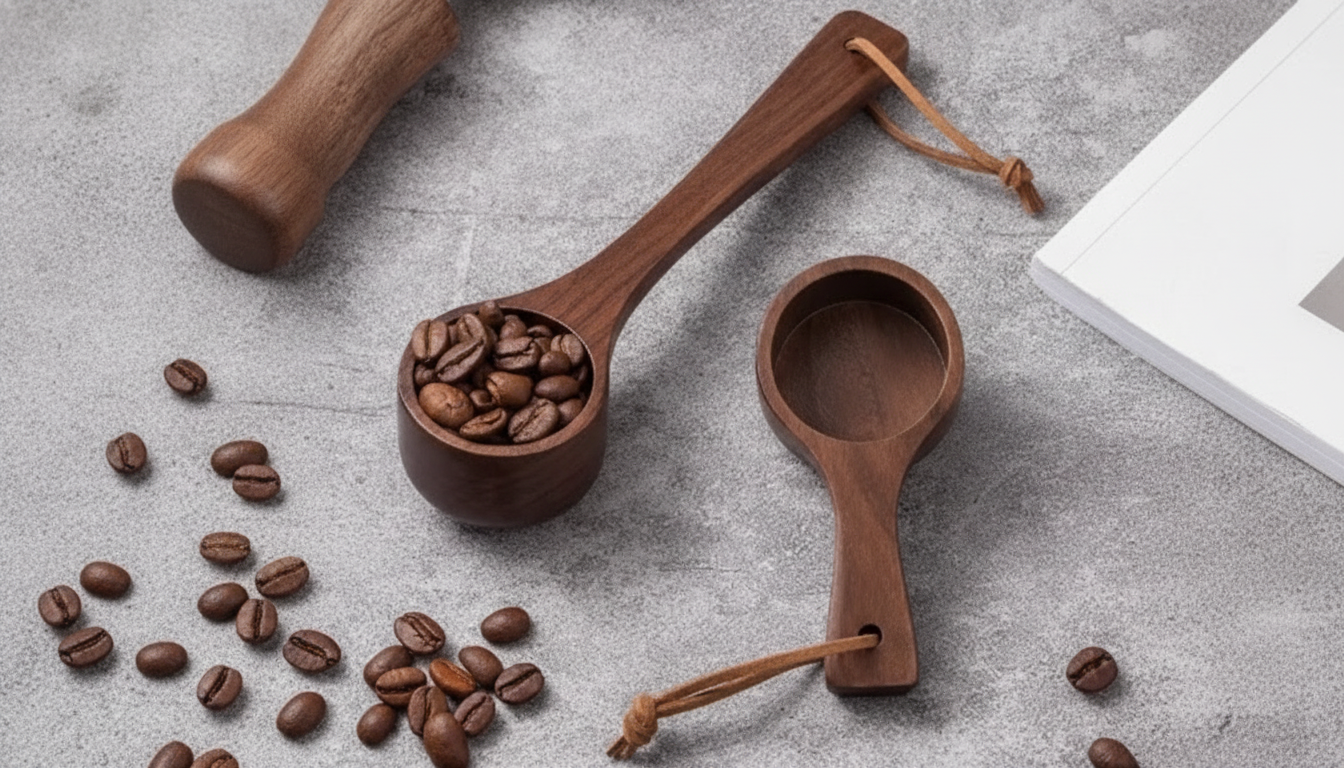
A small scoop can make coffee feel more intentional. The Handcrafted Walnut Wood Mini Coffee Scoop – Rustic Wooden Measuring Spoon brings a warm, rustic look to the counter while helping portion coffee grounds, loose tea, spices, or sugar with consistency. Walnut’s rich grain and naturally smooth feel make it a practical tool that also looks at home beside jars, canisters, and ceramic storage.
What Makes This Walnut Scoop Different
- Handcrafted walnut character: walnut wood shows distinctive grain patterns, so no two scoops look exactly the same.
- Mini size that fits where others don’t: a compact scoop is especially handy for coffee canisters, narrow jars, and smaller countertop storage.
- Rustic finish that blends in: the natural wooden look pairs easily with ceramic, glass, and other wood kitchen accessories.
- More than coffee: portion loose tea, cocoa powder, spices, brown sugar, or baking add-ins without dragging out multiple tools.
- Less guesswork, more repeatability: using the same scoop daily helps stabilize flavor from cup to cup, even when brewing casually.
Walnut Wood Benefits in the Kitchen
- Comfortable in hand: walnut is dense and smooth, giving a satisfying weight for a small utensil.
- Warm, forgiving color: darker walnut tones tend to hide minor staining better than very light woods over time.
- Great for dry ingredients: walnut tools are well-suited to coffee grounds and spices that should stay away from moisture.
- Timeless style range: walnut works with rustic, minimalist, farmhouse, and modern kitchens without looking out of place.
For general sanitation principles when caring for wooden kitchen surfaces and tools, guidance like the USDA’s cleaning and food-safety basics can be a helpful reference: USDA Food Safety and Inspection Service — Kitchen Cutting Boards (Cleaning/Sanitation Guidance).
Portioning Guide: Scoop vs. Scale vs. Spoon
A scoop is about consistency and convenience; a scale is for precision (especially for pour-over and espresso recipes). Coffee density varies by roast level and grind size, so scoops measure volume rather than exact grams. For everyday drip or French press, keeping the same scoop and routine can stabilize results even without a scale. When dialing in new beans, many brewers use a scale once, then match the same fill level in the scoop for daily use.
For brew ratios, extraction basics, and broader technique resources, the Specialty Coffee Association is a solid starting point: Specialty Coffee Association (SCA) — Brewing Resources.
Quick Portioning Comparison
| Method |
Best For |
Pros |
Tradeoffs |
| Walnut scoop (volume) |
Daily routines, canisters, quick measuring |
Fast, no batteries, looks great on the counter |
Not exact grams; depends on grind and how full the scoop is |
| Measuring spoon set (volume) |
Baking-style measuring, standardized volumes |
Clear size markings, easy to match recipes |
Less charming; can be bulky in narrow jars |
| Digital scale (weight) |
Pour-over recipes, espresso dialing, repeatable ratios |
Most accurate and adjustable |
Slower workflow; needs storage and power |
How to Use It for Better Consistency
- Pick one fill style and repeat it: level, heaped, or slightly rounded—then stick with it to keep your cups consistent.
- Don’t pack the grounds: compressing changes how much coffee you’re actually using; a light fill is usually more repeatable.
- Match it with a steady water amount: use the same mug volume, carafe marks, or a kettle with measurements to avoid “mystery ratios.”
- Store it dry: keep the scoop in a dry container or on a spoon rest, away from steam and sink splashes.
Care and Maintenance for Walnut Utensils
- Hand-wash only: rinse quickly, use mild soap if needed, and wipe dry to help prevent swelling or cracking.
- Skip the dishwasher: prolonged heat and water exposure can dull the finish and stress the wood.
- Condition occasionally: a light coat of food-safe mineral oil (or a board cream) helps prevent drying over time.
- Avoid direct heat: don’t leave wooden tools on hot pans, near burners, or close to open flames.
- Remove coffee oils gently: if oils build up, wash with mild soap, rinse, and dry thoroughly before storing.
Styling and Gifting Ideas
- Create a coffee corner: place the scoop beside a sealed coffee jar and a small tray to keep your station tidy and ready.
- Build a coordinated set: pair it with Japanese Solid Wood Coasters for a cohesive natural-wood look from brew to table.
- Mix wood with ceramics: walnut looks especially sharp next to clean-lined spice storage like the Ceramic Seasoning Jar – Eco-Friendly Spice Storage for Kitchen Essentials.
- Easy gifting: a mini scoop is a practical add-on for housewarmings, host gifts, and stocking stuffers—useful even for non-coffee households thanks to spices, tea, and baking.
Product Snapshot
At-a-Glance Details
FAQ
How much coffee does a mini wooden scoop hold?
Volume-based scoops vary, and coffee grounds don’t weigh the same across roast levels and grind sizes. For a reliable reference, weigh one level scoop and one heaped scoop once with a scale, then use that same fill style for your daily routine.
Can a walnut scoop go in the dishwasher?
No—hand-washing is best for walnut utensils. Avoid soaking, skip dishwasher heat, and dry promptly; occasional food-safe mineral oil can help the wood stay smooth and resilient.
Is walnut safe for food utensils?
Yes, walnut is commonly used for kitchen tools and is generally considered safe for food contact, especially for dry ingredients. Keep it clean and dry, and oil it occasionally; if there are household nut allergies, consider that wood contact is different from consuming nuts, but sensitivity can vary.
Recommended for you







Leave a comment