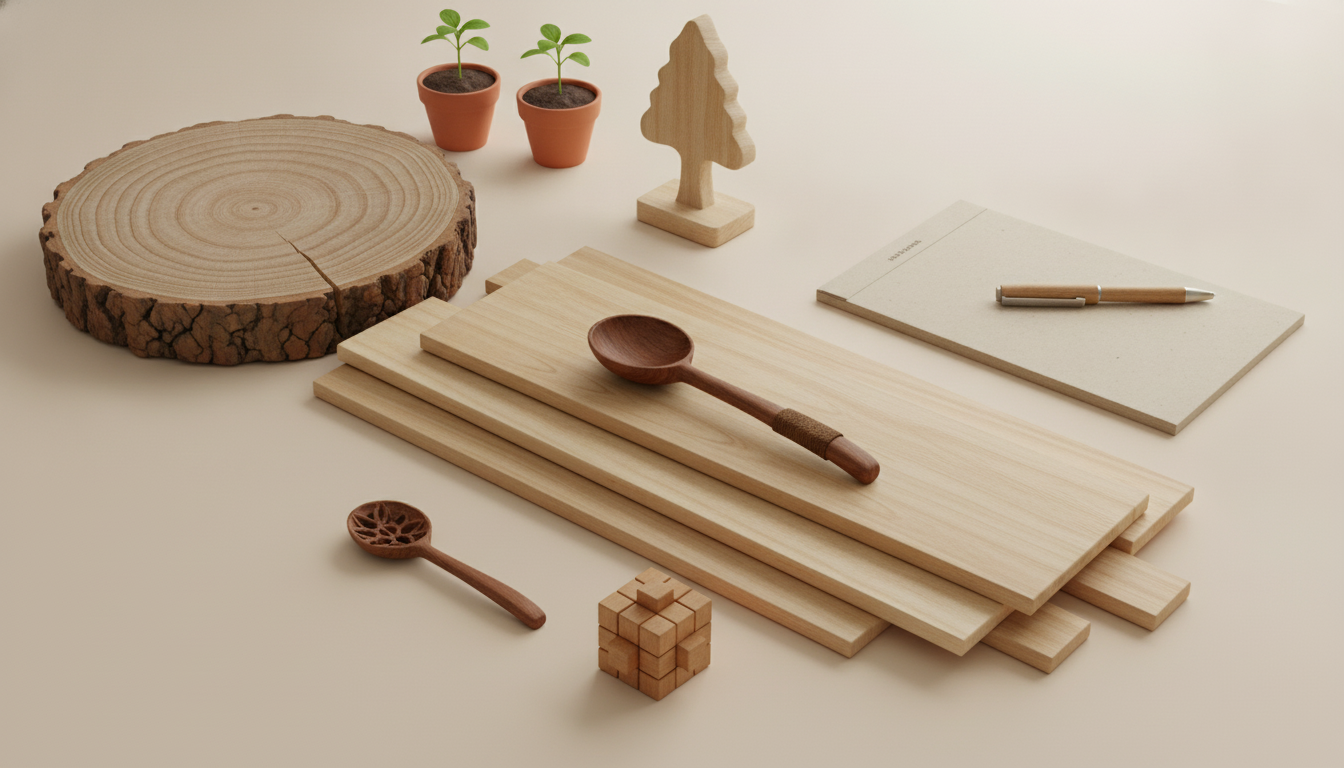
Wood can be eco-friendly because it’s a renewable material that stores carbon, requires less energy to process than many alternatives, and can last for decades when responsibly sourced and well cared for. The key is choosing wood that comes from sustainably managed forests and using it in ways that maximize lifespan and minimize waste.
Trees can be replanted and regrown, making wood a renewable resource—unlike fossil-fuel-based plastics or mined metals. Forests certified by programs such as FSC (Forest Stewardship Council) are typically managed with rules that protect biodiversity, limit overharvesting, and support long-term regeneration.
As trees grow, they absorb carbon dioxide from the atmosphere and store that carbon in their fibers. When wood is turned into long-lasting products—like furniture, cutting boards, or cabinetry—that carbon can remain “locked up” for years, helping reduce net emissions compared with materials that are more carbon-intensive to produce.
Processing wood generally takes less energy than manufacturing steel, concrete, or aluminum. Using engineered wood (like plywood or responsibly produced laminates) can also improve yield from each log, meaning more product with less raw material.
Durable hardwoods and well-finished surfaces can be sanded, refinished, or repaired instead of replaced. Extending a product’s useful life is one of the simplest ways to reduce its environmental impact—especially for frequently used kitchen and home items.
Untreated or responsibly finished wood can be reused, reclaimed, or, in some cases, composted. Even when recycling isn’t available, wood’s potential biodegradability (when free from harmful coatings) can be an advantage over persistent plastics.
For a deeper look at responsible sourcing, durability, and practical buying tips, visit the full guide: https://cuisinecollection.shop/how-can-wood-be-eco-friendly/.
Choose certified sources (such as FSC), prioritize durable construction, and favor finishes with low-VOC or food-safe options when appropriate. Buying fewer, better-made items and maintaining them well also lowers overall impact.











Leave a comment