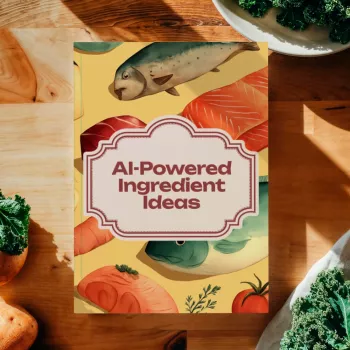
Cooking feels easier when the question isn’t “What should I make?” but “What do I already have—and what can it become?” A simple, AI-assisted ingredient checklist can turn pantry and fridge basics into quick meal directions, smart swaps, and flavor boosts—so weeknight decisions take minutes instead of another grocery run.
Most kitchens can produce at least one solid meal at any given moment. Even on “empty fridge” days, there’s usually a workable set of building blocks: a protein (or beans), a starch, a vegetable, and something that brings it together (a sauce, spice blend, or dressing).
The real challenge is decision fatigue. When there are many possible combinations—and no clear path from ingredients to a finished dish—planning becomes the exhausting part. A structured checklist fixes that by making “use-it-first” foods visible, and by nudging you into a repeatable method: choose a cooking style, pick an anchor, add a flavor direction, and finish strong.
AI-style idea generation becomes genuinely helpful when the inputs stay consistent: what you have, what needs using soon, dietary needs, time available, and the equipment you want to use (one pan, air fryer, slow cooker, etc.).
A good digital checklist isn’t just a list of groceries. It’s a mini system that keeps the kitchen readable at a glance:
If you want a ready-made template that matches ingredients to meal directions, the AI-Powered Ingredient Ideas | Digital Download Checklist | What Can I Cook With Ingredients I Have With AI | Recipe Inspiration Guide is designed for quick “what can I make?” decisions without starting from scratch.
This is a simple loop that works whether you’re feeding one person or a family.
| Use soon item | Easy cooking method | Add a base | Flavor direction | Finish |
|---|---|---|---|---|
| Spinach | Stir-fry | Rice/noodles | Garlic + soy + sesame | Lime or chili flakes |
| Chicken leftovers | Tacos/wraps | Tortillas or lettuce cups | Cumin + salsa | Cilantro + yogurt |
| Canned chickpeas | Sheet pan roast | Couscous/quinoa | Paprika + lemon | Feta or tahini |
| Tomatoes | Pasta/sauce | Pasta or gnocchi | Basil + olive oil | Parmesan |
| Eggs | Frittata | Potatoes or toast | Herbs + cheese | Hot sauce |
“Surprise me” suggestions often sound fun but don’t solve dinner. Practical output comes from specific inputs and helpful constraints.
For a more guided approach to turning your inputs into repeatable, personalized meal ideas, AI Custom Recipes Made Simple | Digital Guide to Cooking with Artificial Intelligence | Easy Meal Planning, Healthy Eating & Personalized Recipe Ideas | eBook Download focuses on keeping results usable—so you end up with a plan, not a brainstorm.
For storage timelines and best practices by ingredient, the USDA FoodKeeper App is a reliable reference. For waste-reduction tips that fit a normal household routine, the EPA’s preventing wasted food at home guide is also helpful.
If organizing spices is part of your “flavor kit” plan, a dedicated container like the Ceramic Seasoning Jar – Eco-Friendly Spice Storage for Kitchen Essentials can keep frequently used seasonings easier to reach (which makes quick meals easier to season well).
Start with items that spoil quickly or are already opened, like greens, berries, cooked grains, leftover proteins, and opened dairy. Then use pantry staples (beans, pasta, rice, canned tomatoes, spices) to complete the meal.
Use a repeatable formula: lean protein or beans + vegetables + a satisfying base, then add big flavor with herbs/spices and brightness from lemon or vinegar. Keep richer toppings like cheese or creamy sauces optional, so you control the balance.
Yes—stick to a small set of reliable methods like sheet pan meals, pasta, stir-fry, soup, and eggs. A checklist helps you match what you have to one method and one flavor direction, so you’re not guessing each step.








Leave a comment