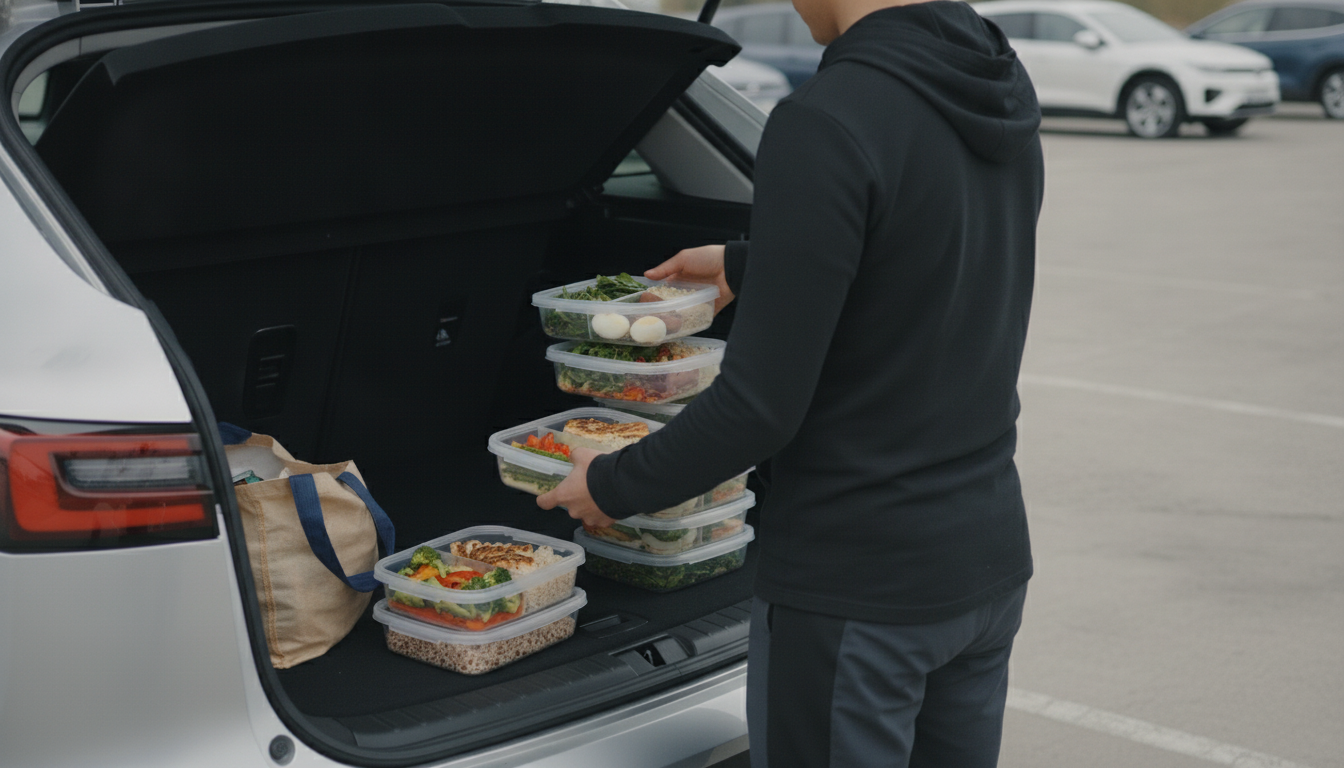
The 3 3 3 rule for meal prep is a simple way to plan a week of meals without overcomplicating it: prep 3 proteins, 3 vegetables, and 3 starches/carbs so you can mix and match them into fast lunches and dinners. Instead of cooking seven different recipes, you build a small set of core components that can be combined in different ways—think chicken + roasted broccoli + rice one night, then the same chicken over a salad with sweet potato the next.
Start by choosing three options from each category that you’ll actually enjoy eating more than once. Cook them in batch, portion them, and store them so assembling meals takes just a few minutes.
Pick proteins that reheat well and can go with multiple flavors. Examples include shredded chicken, ground turkey, baked tofu, hard-boiled eggs, salmon, beans, or lentils.
A mix of roasted and fresh vegetables keeps things interesting. Try roasted Brussels sprouts, sautéed peppers and onions, steamed green beans, a big container of mixed greens, or chopped cucumbers and carrots.
Choose filling bases that hold up in the fridge: rice, quinoa, pasta, potatoes, tortillas, or whole grains like farro.
The 3 3 3 rule limits decision fatigue, reduces food waste, and makes it easier to stay consistent because meals can change without requiring a brand-new recipe. It also helps grocery shopping: you’re buying around nine main items (plus seasonings and sauces) instead of an overwhelming list.
If cooking nine components at once feels like too much, do a “partial 3 3 3”: prep two of each category, then add a quick-cook option during the week (like a rotisserie chicken, microwavable grains, or a bagged salad kit).
For more meal-prep structure, storage tips, and planning ideas, visit the full guide: What is the rule for meal prep?.
Most cooked meal-prep components stay fresh for about 3–4 days when cooled quickly and stored in airtight containers. Seafood and delicate greens may be better used sooner.










Leave a comment