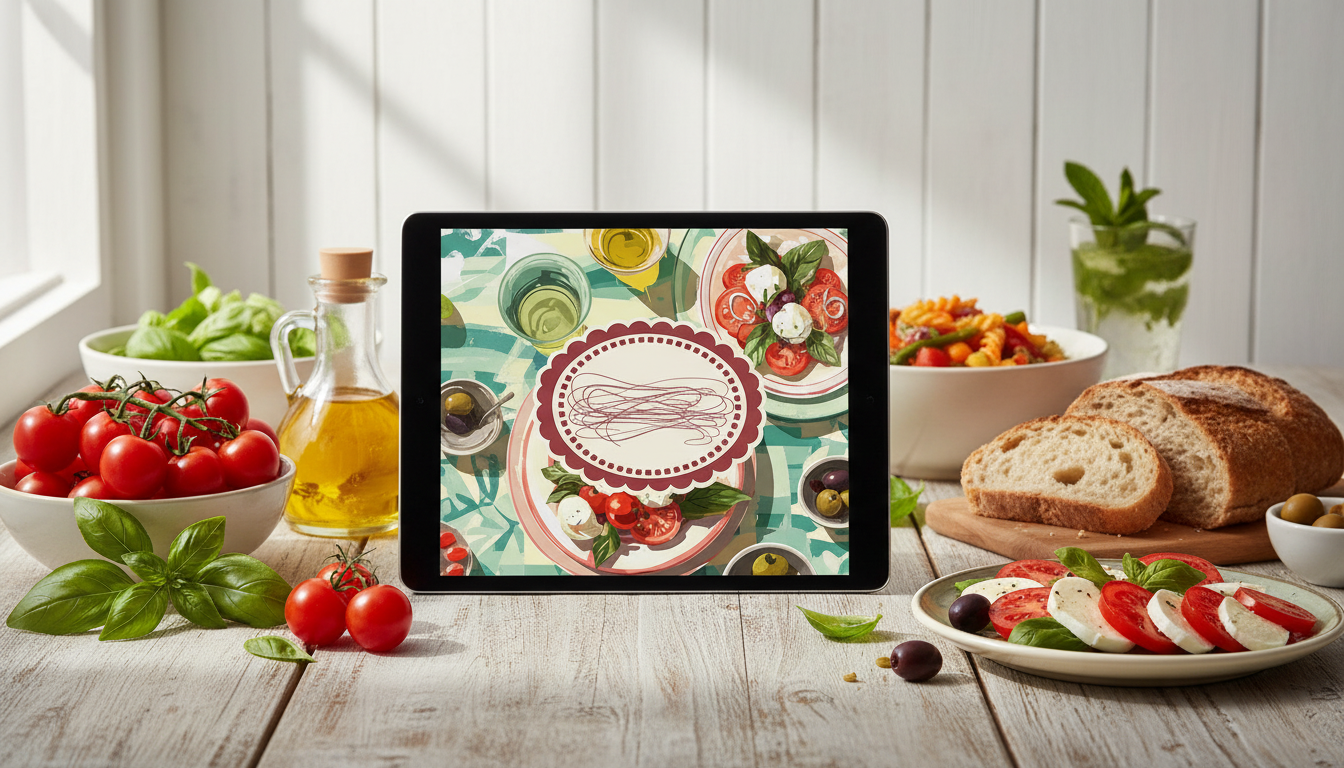
A Mediterranean-style routine can feel simple when meals are built around vegetables, legumes, whole grains, olive oil, seafood, and herbs. This digital download guide focuses on practical recipes and flexible meal ideas, with clear nutrition pointers and an AI-assisted planning approach to help organize a week of breakfasts, lunches, dinners, and snacks without overcomplicating grocery lists or prep. For more guidance, see Mediterranean Diet Meal Plan.
For background on the overall eating pattern, trusted references like Oldways and the American Heart Association outline the same core theme: emphasize plants and healthy fats, keep meals balanced, and make it sustainable. For further reading, see Mediterranean Diet: Food List & Meal Plan.
Mediterranean-style eating is less about strict rules and more about repeating a handful of dependable choices that taste good and fit real schedules.
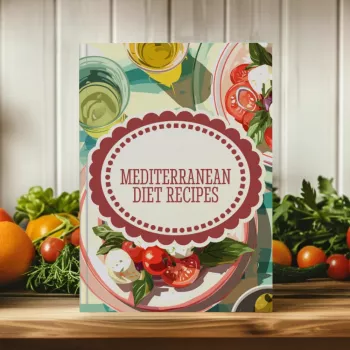
If the hardest part is deciding what to make (and turning that decision into a grocery list), a guided framework can help. The Mediterranean Diet Recipes Guide (digital download eBook) is built around repeatable meals and flexible templates—so dinner doesn’t require a brand-new plan every night.
For readers who want a deeper, step-by-step approach to planning with tools like ChatGPT, pair it with AI Custom Recipes Made Simple (digital guide) to streamline brainstorming, substitutions, and grocery lists.
A weekly plan works best when it’s designed to flex. Keep seasonings and sides consistent, then swap proteins or vegetables based on what you like and what’s on sale.
| Day | Breakfast | Lunch | Dinner | Snack |
|---|---|---|---|---|
| Mon | Greek yogurt with berries + walnuts | Chickpea salad with cucumber + olive oil | Lemon-herb salmon + roasted vegetables | Hummus + carrots |
| Tue | Overnight oats with cinnamon + fruit | Leftover salmon grain bowl | Tomato-olive chicken with greens | Apple + almonds |
| Wed | Avocado toast + sliced tomato | Lentil soup + side salad | Shrimp or tofu stir-fry with vegetables | Olives + feta (optional) |
| Thu | Veggie omelet + fruit | Quinoa tabbouleh with chickpeas | Sheet-pan Mediterranean vegetables + halloumi or beans | Roasted chickpeas |
| Fri | Smoothie with spinach + berries | Tuna or white bean salad wrap | Whole-grain pasta with tomatoes + olive oil + herbs | Pear + pistachios |
| Sat | Cottage cheese or yogurt + honey + fruit | Mediterranean mezze plate (hummus, veg, whole-grain pita) | Grilled fish tacos (Mediterranean slaw) | Dark chocolate square |
| Sun | Shakshuka-style eggs (or tofu) + toast | Leftover pasta salad with veggies | Vegetable stew with beans + side greens | Fruit + yogurt |
The Mediterranean pattern tends to feel filling because it’s built on fiber, healthy fats, and steady protein—without forcing perfection.
One practical upgrade: keep your most-used herbs and spices visible and easy to grab. A dedicated container like the Ceramic Seasoning Jar – Eco-Friendly Spice Storage for Kitchen Essentials can make weekday cooking feel more automatic (especially if oregano, paprika, and chili flakes are on repeat).
Yes. The meal ideas rely on basic techniques like sheet-pan roasting, simple salads, and quick stovetop cooking, plus repeatable components you can reuse across multiple meals.
It works best when you give clear constraints (time, servings, preferences) and ask for a component-based plan that recombines into several meals. Then you turn that plan into a single grocery list and schedule leftovers for easy next-day lunches.
Absolutely. Swap poultry for beans, lentils, or tofu; lean into fish and seafood for pescatarian meals; and keep flavors Mediterranean with olive oil, tomatoes, herbs, garlic, and lemon (with dairy optional).











Leave a comment