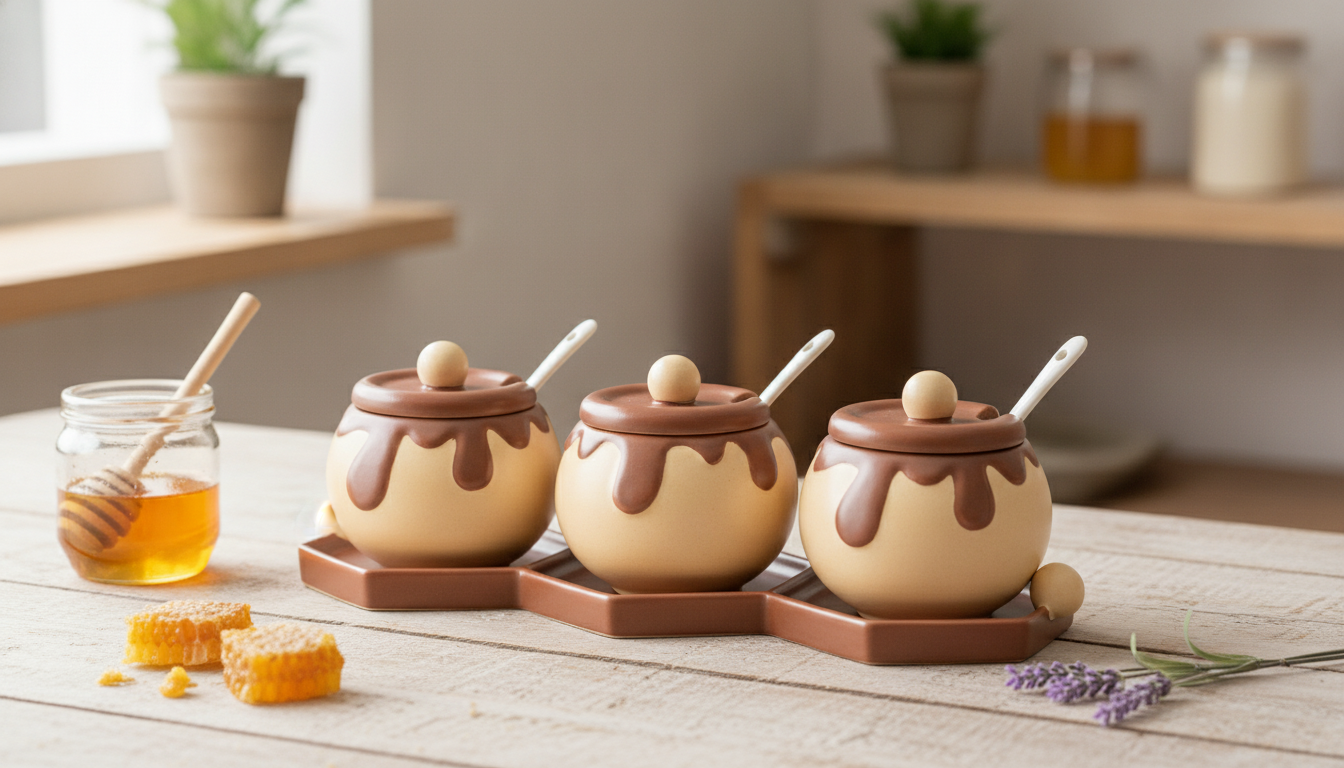
A well-designed seasoning jar keeps everyday spices fresh, reduces clutter, and makes cooking faster. Ceramic storage adds a calm, tactile look on the counter while helping protect aromatics from light and temperature swings—an easy upgrade for kitchen essentials that are used every day.
For a countertop spice station, the goal is simple: keep the flavors you reach for every day close at hand, without inviting steam, grease, and bright light to do damage. Ceramic’s opaque body naturally solves one of the biggest issues with open-shelf storage—light exposure—while its sturdiness makes it feel “set” on the counter instead of constantly sliding around.
Eco-conscious doesn’t have to be complicated. A jar that lasts, seals well, and cleans easily helps reduce the cycle of replacing cracked lids, mismatched shakers, and disposable packaging. If the jar will live near your prep area, prioritize a profile that feels steady in the hand and doesn’t trap residue around the rim.
Choose based on where spices are stored (counter vs cabinet), humidity levels, and preferred cleaning routine. If spices live near the stove, prioritize stability and a lid that seats well.
| Material | Strengths | Trade-offs | Best for |
|---|---|---|---|
| Ceramic | Blocks light; stable on counters; non-reactive for dry spices; timeless look | Can chip if dropped; heavier than plastic | Daily-use seasonings on the counter |
| Glass | Easy to see contents; widely available; non-reactive | Light exposure can reduce potency; can break | Cabinet storage or labeled spice drawers |
| Plastic | Lightweight; shatter-resistant; often inexpensive | May absorb odors/stains; not ideal near heat; varies by resin quality | Travel, camping, or short-term storage |
| Stainless steel | Durable; blocks light; modern look | Hard to see contents; can dent; some designs have narrow openings | High-use spices when labeling is preferred |
Heat and humidity are the quiet enemies of a tidy spice setup. If your seasoning jar sits near the stove, place it a bit farther from the burner line (or on a small tray you can slide back during cooking). For storage timing and general food-keeping guidance, the USDA FoodKeeper App is a useful reference point for pantry items and best practices.
A dedicated ceramic jar for everyday seasonings supports a calmer, more consistent kitchen setup. The Ceramic Seasoning Jar – Eco-Friendly Spice Storage for Kitchen Essentials is a practical way to keep frequently used spices close at hand without relying on disposable packaging.
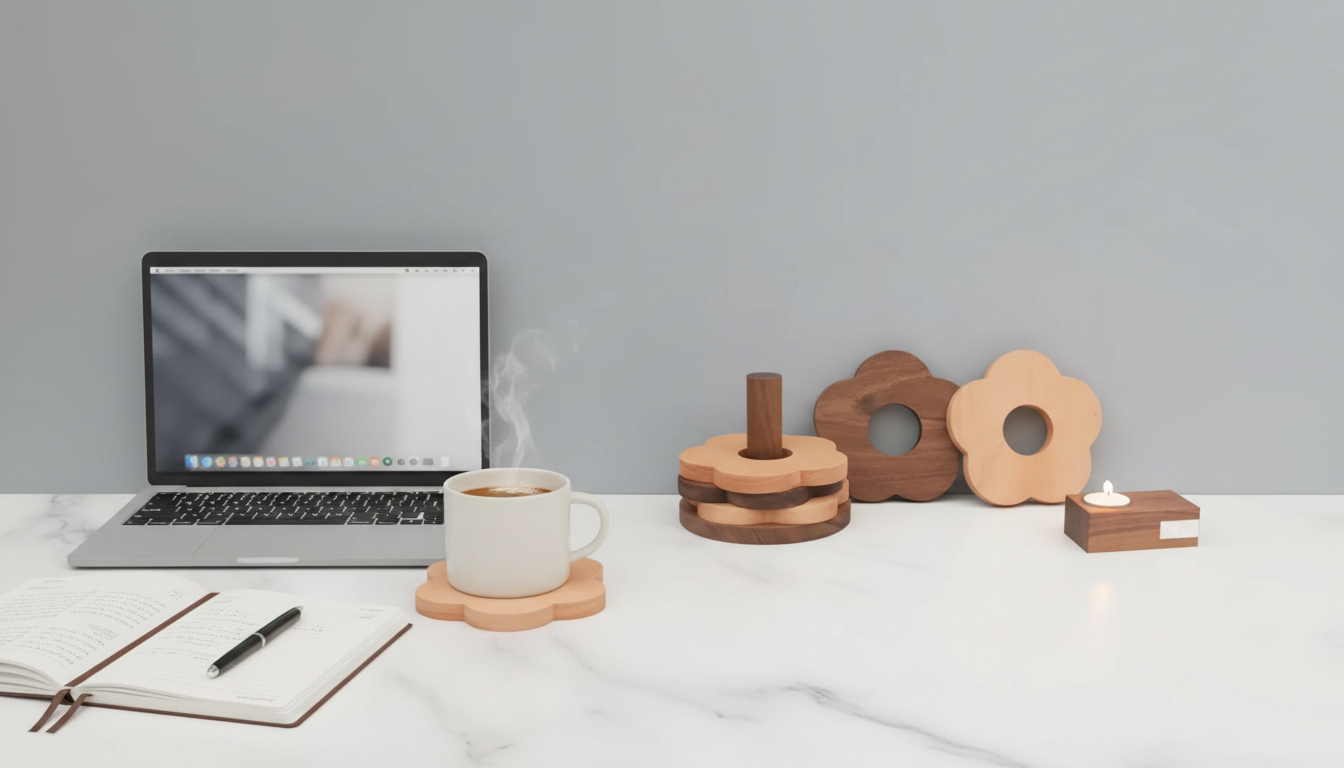
To complete a simple counter “set,” pair ceramic storage with natural accents like Japanese Solid Wood Coasters for warm texture, or keep a coordinating drink setup nearby with the Coarse Pottery Ceramic Coffee Mug & Saucer Set – Retro Handmade Tea Cups. The end result feels less like clutter and more like a curated prep-and-sip corner that’s easy to reset.
For a deeper look at how packaging and materials are evaluated for food-contact safety, the FDA overview of food contact substances offers helpful context. And for the bigger picture on reducing waste through longer-lasting choices, the EPA’s sustainable materials management basics breaks down practical priorities.
Ceramic is generally a non-reactive option for dry foods like spices and salt. For best results, keep the jar clean and fully dry, use a well-fitting lid, and follow any care instructions provided with the product.
Ceramic’s main advantage is light protection, which can help slow potency loss for light-sensitive spices. Freshness still depends heavily on a secure lid, low moisture exposure, and keeping the jar away from heat and steam.
Avoid wet ingredients or anything that introduces moisture, since moisture can cause clumping and speed spoilage. Oily pastes and fresh herbs are usually better refrigerated in containers designed for perishable foods.








Leave a comment