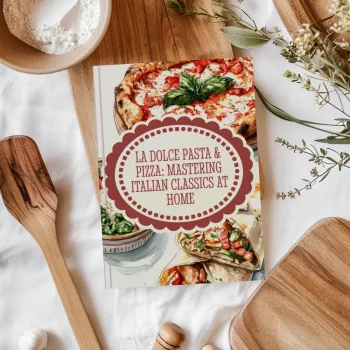
A great bowl of pasta and a crisp, airy pizza share the same foundation: simple ingredients handled with confidence. When flour, tomatoes, olive oil, cheese, herbs, and salt are treated with care, “restaurant-right” results become repeatable—whether it’s a quick weeknight puttanesca or a Saturday pizza with blistered crust. This guide breaks down the core skills that make Italian classics taste authentic at home, plus a practical digital eBook designed for clear sequencing, smarter timing, and dependable outcomes.
Italian cooking often looks effortless because the discipline is built in. Authenticity at home comes less from rare ingredients and more from doing the basics on purpose.
For deeper technique references on dough and bake setups, King Arthur Baking’s pizza guides and Serious Eats’ pizza technique collection are solid companions.
If consistency is the goal, organization matters as much as ingredients. The La Dolce Pasta & Pizza: Mastering Italian Classics at Home eBook is built around a simple idea: repeat the core moves until they become automatic.
For cooks who also like building flexible meal plans from what’s already in the fridge, AI Custom Recipes Made Simple eBook pairs well as a “what can I make tonight?” companion.
The fastest way to make pasta taste more “Italian” is to treat the water, the finish, and the toss as part of the recipe—not background steps.
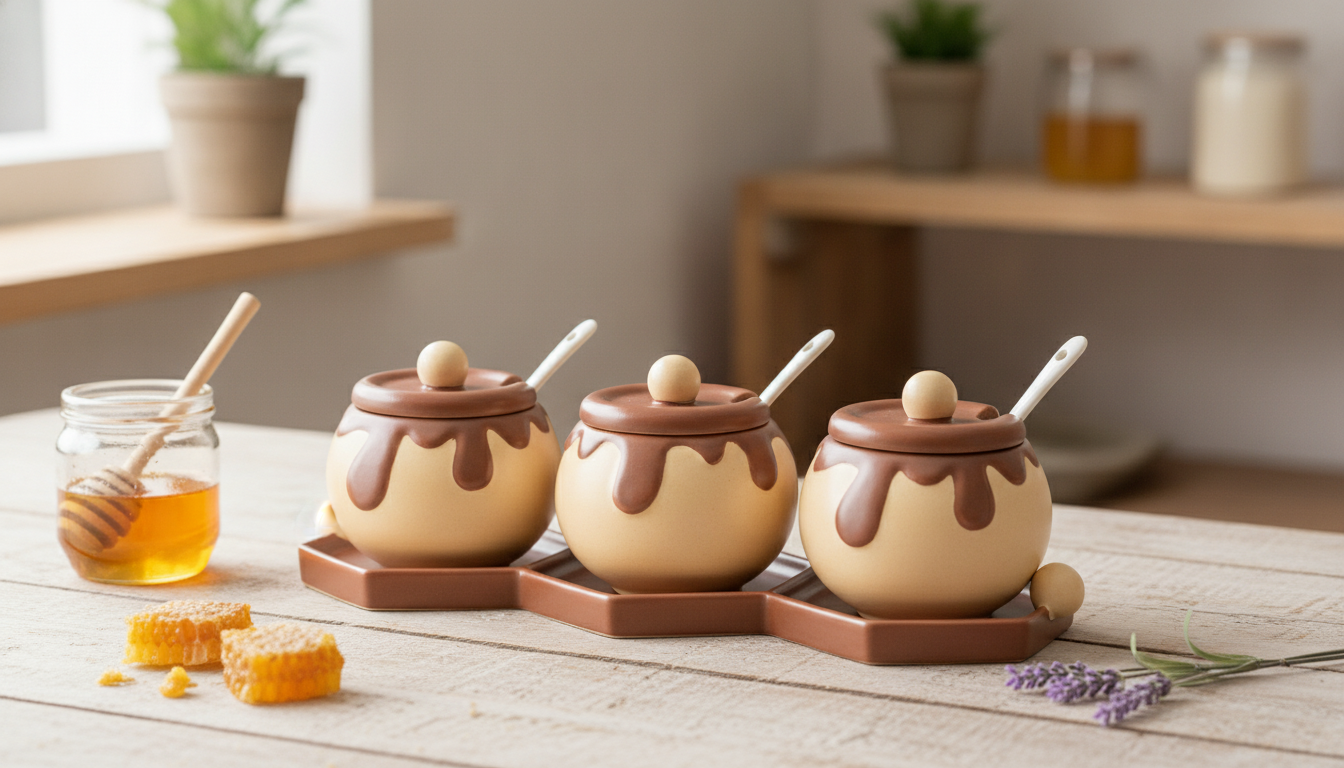
One practical upgrade: set up a quick “finishing station” before you start boiling—grated cheese, cracked pepper, herbs, and a small bowl ready for pasta water. A dedicated storage piece like the Ceramic Seasoning Jar – Eco-Friendly Spice Storage keeps salt, pepperoncino, or oregano within reach without cluttering the counter.
Great home pizza is less about chasing a specific style and more about understanding fermentation, hydration, and heat. Once those three are under control, even a standard oven can produce crisp, airy crust.
| Setup | Best for | Pros | Watch-outs |
|---|---|---|---|
| Baking steel on top rack | Fast browning, airy crust | Strong bottom heat, great spring | Needs long preheat; can burn if too close to broiler |
| Pizza stone on middle rack | Classic home-oven bakes | Even heat, forgiving | Longer bake; less browning than steel |
| Cast-iron pan (pan pizza) | Crisp edges, thicker crust | Excellent for lower-heat ovens | Different texture than Neapolitan-style; oil level matters |
| Broiler finish (last 1–2 min) | Leopard spotting, melted toppings | Boosts top heat | Requires close attention to avoid scorching |
For kitchen safety basics—especially when working fast with boiling water and hot cast iron—USDA guidance on safe food handling and preparation is a reliable refresher.
If pasta night tends to turn into “everyone grabbing whatever glass is closest,” setting the table helps the meal feel intentional. Japanese Solid Wood Coasters are an easy touch that keeps condensation and olive oil drips from turning into cleanup mid-meal.
Yes—use a steel or stone, preheat longer than expected (often 45–60 minutes), bake high in the oven, and consider a brief broiler finish to boost top heat.
It means transferring pasta to the sauce 1–2 minutes before it’s fully done, adding a splash of reserved pasta water, and tossing over heat so the sauce thickens and clings to the noodles.
Yes. It builds skills progressively, starting with foundational techniques (dough, sauce, timing) and moving into classics that get easier and more consistent with repetition.









Leave a comment